Data show more than half the lower 48 states are currently experiencing drought, including two-thirds of the West and in Oregon, most of the state is already facing moderate to severe drought.
Scientists are calling the situation historic. This winter tied 1934 as the warmest on record in Oregon, reducing the snowpack to about one third of its normal size.
Peter Gleick, cofounder of the Pacific Institute in Oakland, explained there has been almost no snow in the West, and what little snow did fall melted earlier and faster than usual.
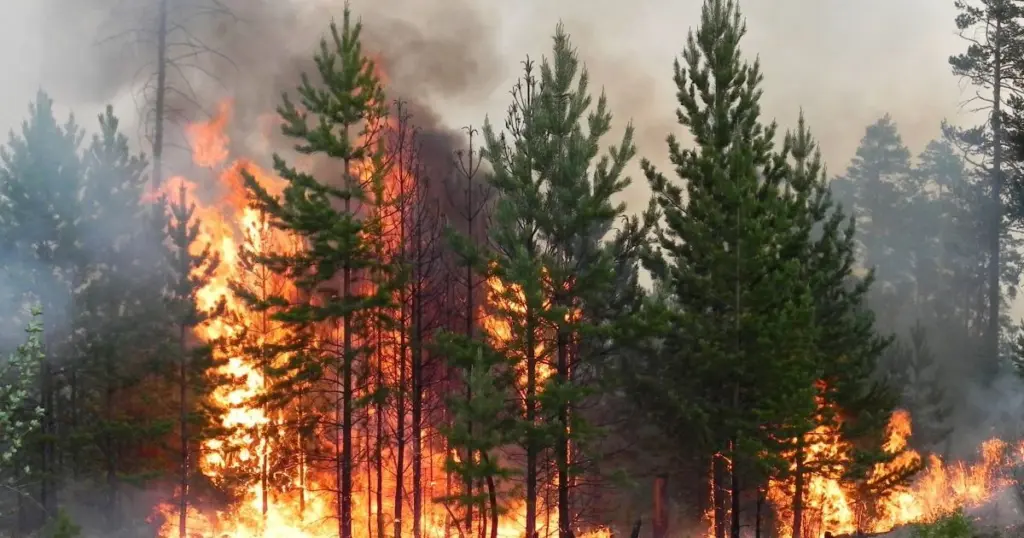
“That changes the runoff regime in our rivers,” Gleick outlined. “We get more runoff in the winter, more flooding. We get less runoff in the spring and the summer, when we really want it for agriculture and other uses. And so the soils dry out faster. Fire risk goes up.”
Gleick predicted if the same conditions persist, reservoirs will be significantly depleted over the next few years. Last month ranked as the third-driest ever recorded in the U.S.
Shel Winkley, senior engagement specialist and meteorologist at Climate Central, explained a warming atmosphere is able to hold more water, which leads to more severe drought as well as floods. He said for every one degree Fahrenheit of warming, the atmosphere can hold on to about 4% more moisture.
“The result of this increased atmospheric thirst means that droughts grow longer; they can get more severe,” Winkley pointed out. “And that trend intensifies with every little bit of warming that we continue to experience here.”
Earlier this month, Gov. Tina Kotek declared a drought emergency for Baker, Deschutes, and Umatilla counties, months ahead of when they were issued in the past two years. The emergency declarations aim to help farmers and ranchers access water resources and prepare for increased wildfire risks.
Content provided by Public News Service